Moroccan Fossils: Discover Erfoud and Ancient Fossils
Discover Moroccan Fossils, from ancient marine life to Erfoud’s famous fossil workshops. Explore Morocco’s prehistoric heritage with Trips to Marrakech
Moroccan Fossils: Discover Ancient Treasures in the Sahara Desert
Morocco is famous for its beautiful cities, traditional markets, Atlas Mountains, and Sahara Desert. However, the country also has another fascinating attraction: Moroccan Fossils. These ancient remains tell the story of life on Earth millions of years ago and offer travelers a different way to discover Morocco.
In southeastern Morocco, especially around Erfoud, visitors can explore fossil workshops, see ancient marine fossils preserved in stone, and learn how local craftspeople transform fossil-bearing rocks into decorative objects. Some of these fossils belonged to animals that lived in ancient seas long before the Sahara became the dry landscape we see today.
Whether you love nature, history, geology, or unusual travel experiences, exploring Moroccan Fossils can be an interesting addition to your Morocco itinerary.
With Trips to Marrakech, you can discover Morocco’s remarkable landscapes, visit traditional towns, explore the Sahara Desert, and learn more about the country’s fascinating natural history.
Why Is Morocco Famous for Fossils?
Morocco is one of the world’s important regions for fossil discoveries because its rocks preserve evidence of ancient marine life and prehistoric animals from different geological periods.
Millions of years ago, parts of what is now Morocco were covered by seas. Over time, marine organisms became buried in sediments, and their remains were preserved in rock. Geological changes and erosion later exposed many of these fossil-rich layers.
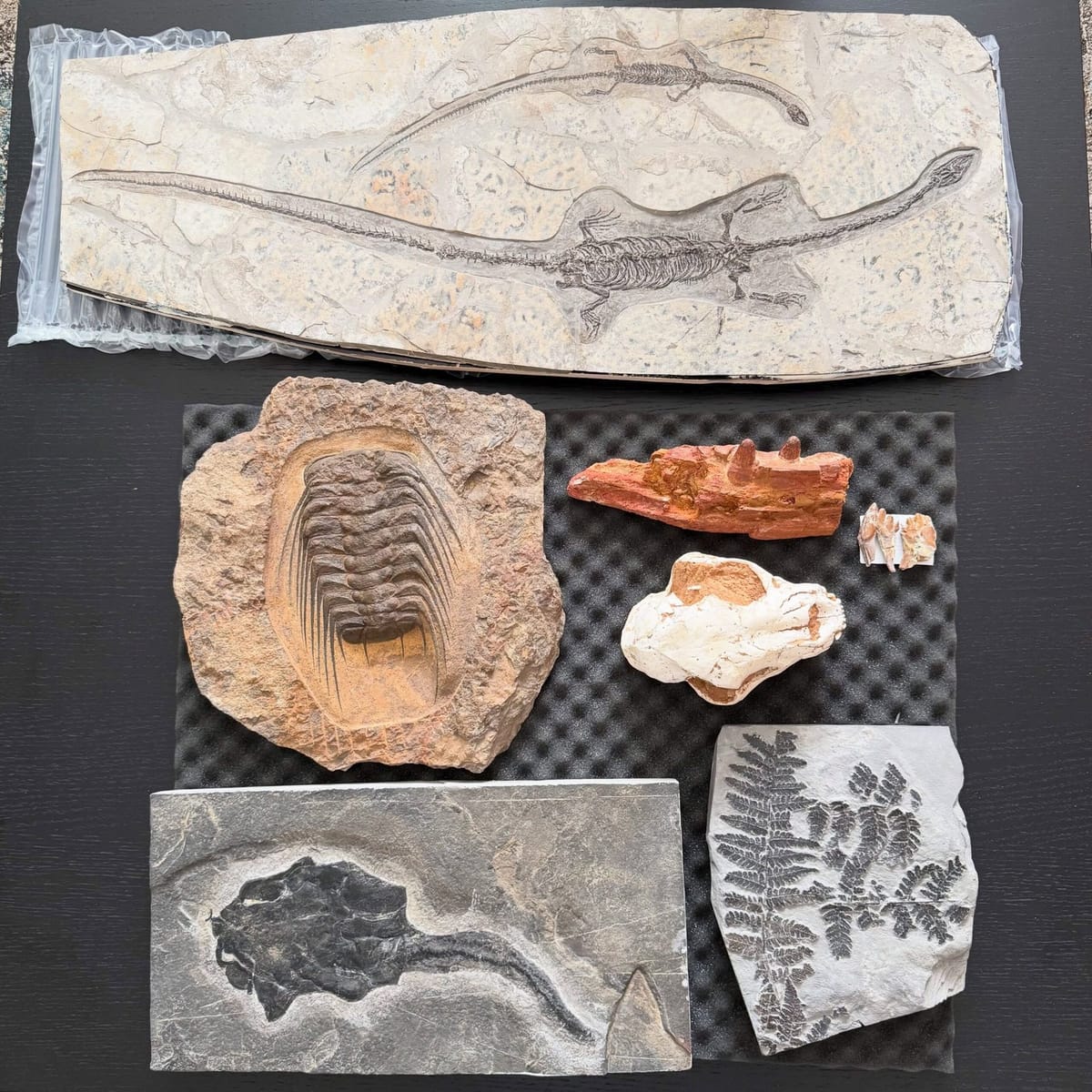
Today, Moroccan Fossils include trilobites, ammonites, and other ancient marine organisms. Morocco is also known for important dinosaur discoveries, particularly from the Cretaceous rocks of southeastern Morocco.
These discoveries help scientists understand how life developed and how the landscapes of North Africa changed over time.
For travelers, fossils offer an exciting opportunity to look beyond Morocco’s famous cities and discover another side of the country’s natural heritage.
1. Fossils in Morocco: What Can You Discover?
There are many different types of fossils to discover in Morocco. Each one tells a different story about ancient environments and the creatures that lived there.
Trilobite fossils
Trilobites were marine animals that lived hundreds of millions of years ago. They had segmented bodies and are among the most recognizable fossils found in Morocco.
Many Moroccan trilobites are discovered in Paleozoic rock formations, including areas around Erfoud and Alnif. Some specimens are carefully prepared by skilled craftspeople to reveal their detailed body structures.
Ammonite fossils
Ammonites were marine animals with coiled shells. Their beautiful spiral shapes make them popular with fossil collectors and visitors interested in natural history.
Ammonite fossils can be found in several regions of Morocco. Some are displayed in their original rock, while others are cut and polished for decorative purposes.
Orthoceras fossils
Orthoceras is a name commonly used in the fossil trade for straight-shelled ancient marine animals, particularly orthoconic nautiloids. These fossils are often visible in dark limestone from southeastern Morocco.
Local workshops may use fossil-bearing stone to create polished slabs, tables, and decorative pieces.
Dinosaur fossils
Morocco is also known for important dinosaur discoveries. The Cretaceous rocks of the Kem Kem region have produced remains of large predatory dinosaurs and other prehistoric animals.
These discoveries are especially interesting to visitors who love dinosaurs and prehistoric life. However, dinosaur fossils are not the same as the marine fossils commonly displayed in Erfoud’s stone workshops.
2. Erfoud Fossils: A Must-See Attraction in Southeastern Morocco
When discussing Moroccan Fossils, Erfoud Fossils deserve special attention. Erfoud is a town in southeastern Morocco known for its fossil-rich stone, workshops, and connection to the Sahara Desert.
The surrounding region contains geological formations that preserve evidence of ancient marine environments. Fossil-bearing rocks are collected and processed by local specialists, and visitors can find workshops where stones are cut, prepared, and polished.
A visit to Erfoud can be more than a shopping stop. You can learn how fossils are preserved in rock, observe traditional stone-working techniques, and see the difference between a natural fossil specimen and a finished decorative object.
Erfoud is also well positioned for travelers heading toward Merzouga and the Erg Chebbi dunes. This makes it possible to combine fossil exploration with a Sahara Desert experience.
If you are planning a trip through southern Morocco, consider including Erfoud in your itinerary to discover its geological heritage as well as its desert surroundings.
3. Fossils in the Sahara Desert: A Journey into the Past
The Fossils in the Sahara Desert reveal a surprising story. Today, the Sahara is known for its sand dunes, dry plains, and rocky landscapes. Yet parts of this region preserve evidence of ancient seas, rivers, and ecosystems.
The rocks around southeastern Morocco contain fossil remains that help scientists reconstruct these ancient environments. In some places, erosion has exposed layers that were formed when marine animals lived in the region.
Exploring this geological heritage gives travelers a new perspective on the desert. The Sahara is not only a place of dunes and camel rides; it is also a landscape shaped by immense changes over geological time.
During a Morocco desert trip, you can enjoy the scenery around Erfoud and Merzouga while learning about the ancient history hidden in the rocks.
For a memorable journey, combine fossil-related stops with visits to traditional villages, palm oases, and the dunes of the Sahara. With Trips to Marrakech, you can plan a journey that brings together natural landscapes, cultural discoveries, and authentic Moroccan experiences.
4. Fossil Hunting in Morocco: What Should Travelers Know?
Fossil Hunting in Morocco interests collectors, families, photographers, and travelers who want to learn more about prehistoric life.
However, fossil hunting is not simply a matter of picking up stones anywhere in the desert. Some sites may be privately owned, protected, or subject to collection restrictions. Visitors should always respect local rules and obtain permission before entering a working quarry or collecting specimens.
A guided visit is a good option for travelers who want to understand the geology and see how fossils are discovered and prepared.
Here are some useful tips:
- Choose a knowledgeable local guide: Learn about the geological history of the area and the fossils found there.
- Visit a fossil workshop: Watch how specialists carefully remove rock around fossils and prepare specimens for display.
- Ask questions before buying: Find out what type of fossil you are purchasing and whether it is natural, repaired, or reconstructed.
- Compare prices: Visit more than one reputable seller before deciding what to buy.
- Check export requirements: If you want to take fossils out of Morocco, verify the applicable regulations and obtain any required documents.
- Avoid unauthorized collecting: Do not enter quarries or protected sites without permission.
Fossil exploration can be educational and enjoyable when it is done responsibly. It can also help visitors appreciate the work of local craftspeople and the importance of protecting Morocco’s geological heritage.
5. Can You Buy Moroccan Fossils as Souvenirs?
Yes, fossil specimens and fossil-bearing decorative stone are sold in parts of Morocco, particularly around Erfoud. Depending on the seller, you may find small specimens, polished slabs, decorative objects, and other fossil-related products.
Before buying, take time to inspect the item and ask the seller about its origin. Some specimens are natural, while others may have been repaired, reconstructed, or shaped to improve their appearance.
If you are buying a fossil as a souvenir, choose a reputable seller and keep your receipt. For valuable or scientifically significant specimens, ask for documentation about their origin and check any applicable export rules before making a purchase.
A small fossil can be a memorable reminder of your Moroccan adventure. It represents not only your travels but also the ancient environments that once existed in this part of North Africa.
6. Best Time to Explore Moroccan Fossils
Spring and autumn are often comfortable seasons for exploring southeastern Morocco. The weather can be suitable for visiting fossil workshops, traveling between towns, and enjoying the desert scenery.
Summer temperatures can become extremely high, so outdoor activities require extra planning. Winter can bring pleasant daytime conditions but cold evenings and nights.
If you are combining Erfoud with a Sahara Desert trip, plan your schedule around the weather, driving distances, and time needed to enjoy each stop.
Allow enough time to visit workshops and learn about the fossils rather than rushing through the region. A relaxed itinerary will give you a better understanding of the area’s history and culture.
7. Explore Moroccan Fossils with Trips to Marrakech
Discovering Moroccan Fossils is a unique way to experience Morocco beyond its famous cities and monuments. From the ancient marine remains around Erfoud to the remarkable dinosaur discoveries of southeastern Morocco, the country’s geological heritage offers something special for curious travelers.
At Trips to Marrakech, we help travelers discover Morocco through memorable journeys, from the lively streets of Marrakech to the High Atlas Mountains, traditional villages, historic kasbahs, and Sahara Desert landscapes.
You can contact us to discuss your travel plans and ask about including Erfoud or other interesting stops in a customized Morocco itinerary. We can help you plan a trip that matches your interests, available time, and preferred travel style.
Contact Trips to Marrakech
- Website: https://tripstomarrakech.com/
- Phone / WhatsApp: +212 643 577 845
- Email: info@tripstomarrakech.com
Whether you are interested in Moroccan Fossils, cultural experiences, mountain scenery, or a Sahara Desert adventure, we would be happy to help you plan your Moroccan journey.
Travel with Trips to Marrakech and discover the history, landscapes, and hidden treasures of Morocco.
Frequently Asked Questions About Moroccan Fossils
1. Why are Moroccan Fossils so famous?
Morocco has a wide variety of fossil-rich geological formations that preserve ancient marine animals and prehistoric life. The country is particularly well known for trilobites, ammonites, and important dinosaur discoveries.
2. Where can I see Erfoud Fossils?
Erfoud, in southeastern Morocco, is known for fossil-bearing stone and workshops where fossils are prepared and decorative objects are made. It is also a convenient stop on many journeys toward Merzouga.
3. Can I find Fossils in the Sahara Desert?
Yes. Parts of the Sahara region in Morocco contain rocks with fossils from ancient marine environments and other prehistoric ecosystems. Access to particular sites may require permission or a knowledgeable local guide.
4. Is Fossil Hunting in Morocco suitable for beginners?
Yes, beginners can learn about fossils through guided visits to workshops and approved locations. You do not need scientific experience to appreciate the discoveries, but you should follow local rules and avoid collecting without permission.
5. Can I buy Moroccan Fossils to take home?
Fossils are available from sellers in some Moroccan towns, including Erfoud. Before buying, ask about the specimen’s origin, keep your receipt, and check current export requirements, especially for rare or significant specimens.
6. Can I visit Erfoud during a Morocco desert tour?
Yes. Erfoud is located on routes commonly used by travelers heading toward the Merzouga area. Depending on your itinerary, you may be able to combine fossil workshops with desert landscapes, local markets, and a night in a Sahara camp.
Conclusion
Moroccan Fossils offer a fascinating window into the country’s ancient past. Whether you are interested in trilobites, ammonites, dinosaur discoveries, or the workshops of Erfoud, exploring this heritage can add a new dimension to your trip.
Plan your next adventure with Trips to Marrakech and discover Morocco’s natural history, cultural traditions, and unforgettable desert landscapes.
Related topics