Jewish Wedding in Morocco: Traditions, Music and Celebrations
Discover Jewish wedding traditions in Morocco, from henna ceremonies and music to family celebrations and the country’s rich Jewish heritage
Jewish Wedding in Morocco
Morocco is home to one of the oldest Jewish communities in the world. For centuries, Moroccan Jews developed unique wedding traditions that blended Jewish religious customs with local Moroccan culture, creating colorful celebrations filled with music, family gatherings, traditional clothing, and symbolic rituals.
Today, interest in Jewish weddings in Morocco extends beyond the Jewish community. Many travelers visiting Morocco’s historic Jewish heritage sites are fascinated by the customs, ceremonies, and cultural traditions that have been preserved for generations. A Jewish heritage tour in Morocco offers an opportunity to explore the synagogues, mellahs, cemeteries, and communities that shaped these remarkable wedding traditions.
The History of Jewish Weddings in Morocco
Jewish communities have lived in Morocco for over two thousand years. Throughout that time, wedding celebrations became an important expression of family identity, religious faith, and community life.
While Jewish marriage ceremonies follow religious laws and traditions, Moroccan Jewish communities added distinctive local elements including elaborate clothing, henna ceremonies, traditional music, and festive meals. These customs were particularly visible in cities such as Casablanca, Fez, Marrakech, Meknes, and Essaouira.
Many families maintained traditions that were passed from generation to generation, creating wedding celebrations that reflected both Jewish heritage and Moroccan culture.
Traditional Moroccan Jewish Wedding Customs
A traditional Jewish wedding in Morocco often involved several days of celebrations rather than a single ceremony.
Important customs could include:
- Family gatherings and engagement celebrations
- Preparation of traditional wedding clothing
- Henna ceremonies
- Religious blessings
- Music and dancing
- Festive meals with relatives and guests
- Community participation and hospitality
These events helped strengthen family connections while celebrating the union of two families.
The Henna Ceremony
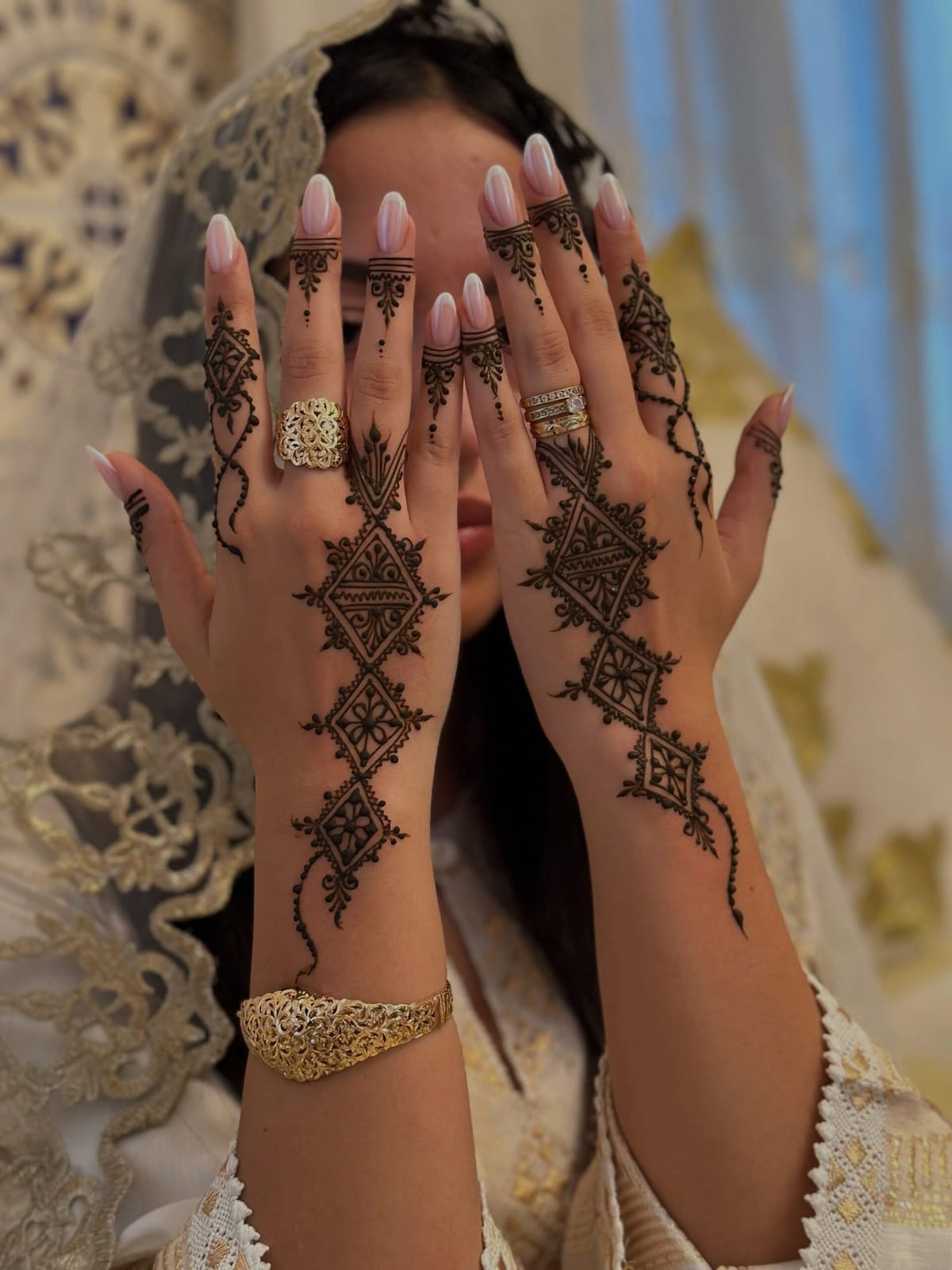
One of the most recognizable traditions associated with Moroccan Jewish weddings is the henna ceremony.
Before the wedding, family members and friends gather to celebrate the bride and groom. Henna is applied as a symbol of blessing, prosperity, happiness, and protection.
The celebration often includes:
- Traditional Moroccan clothing
- Music and singing
- Dancing
- Traditional sweets
- Family blessings
Today, many visitors interested in Jewish heritage in Morocco learn about henna traditions while exploring historic Jewish communities.
Traditional Wedding Clothing
Moroccan Jewish wedding attire is known for its beauty and craftsmanship.
Brides traditionally wear richly decorated garments featuring embroidery, jewelry, silk fabrics, and regional designs. Different communities developed their own styles influenced by local traditions and historical connections.
Traditional wedding garments often represent family heritage and cultural identity. Some families continue to preserve these garments as treasured heirlooms.
Music and Celebration
Music plays a central role in Moroccan Jewish weddings.
Traditional celebrations may feature:
- Andalusian music
- Moroccan Jewish songs
- Religious melodies
- Local instruments
- Community singing
Music helps create a joyful atmosphere while preserving cultural traditions that have existed for generations.
Many of these musical influences can still be experienced today during cultural events and heritage festivals throughout Morocco.
Wedding Food and Hospitality
Hospitality has always been an important part of Moroccan culture, and Jewish weddings are no exception.
Wedding celebrations often include traditional Moroccan dishes, pastries, tea, and festive meals shared among family and guests.
The gathering of relatives and friends around food symbolizes unity, generosity, and community spirit.
Jewish Heritage Sites Connected to Wedding Traditions
Travelers interested in Moroccan Jewish wedding traditions can gain deeper insight by visiting historic Jewish heritage sites across the country.
Popular destinations include:
Casablanca
Casablanca is home to one of Morocco’s largest Jewish communities and several important synagogues. Visitors can learn about the traditions that shaped Jewish family life and celebrations.
Fez
The historic Jewish quarter of Fez offers a glimpse into centuries of Jewish history and community life.
Marrakech
Marrakech’s historic mellah preserves important aspects of Jewish heritage and cultural traditions.
Essaouira
Essaouira was once home to a thriving Jewish population and remains one of Morocco’s most fascinating destinations for heritage travelers.
Experiencing Jewish Heritage in Morocco Today
Although many Moroccan Jews now live abroad, their cultural heritage remains an important part of Morocco’s history.
Visitors can explore:
- Historic synagogues
- Jewish cemeteries
- Former Jewish quarters
- Cultural museums
- Heritage festivals
- Traditional architecture
A Morocco Jewish heritage tour provides valuable context for understanding how wedding traditions developed within these communities.
Why Include Jewish Heritage in Your Morocco Tour?
Jewish heritage sites offer a unique perspective on Morocco’s multicultural history.
By exploring these communities, travelers gain insight into:
- Centuries of coexistence
- Religious traditions
- Family customs
- Wedding celebrations
- Music and cuisine
- Community life
These experiences add cultural depth to any journey through Morocco.
Frequently Asked Questions
What makes Moroccan Jewish weddings unique?
Moroccan Jewish weddings combine traditional Jewish religious customs with Moroccan cultural influences, including henna ceremonies, traditional clothing, music, and festive celebrations.
Are Moroccan Jewish wedding traditions still practiced?
Yes. Many Moroccan Jewish families around the world continue to preserve wedding customs that originated in Morocco.
Where can I learn about Jewish wedding traditions in Morocco?
Visitors can explore Jewish heritage sites in Casablanca, Fez, Marrakech, Meknes, and Essaouira while learning about community history and cultural traditions.
Can a Jewish heritage tour include wedding-related cultural history?
Yes. Many Jewish heritage tours in Morocco explore family life, community traditions, music, and celebrations, including wedding customs.
Final Thoughts
Moroccan Jewish weddings represent a remarkable blend of faith, family, and cultural heritage. Their traditions reflect centuries of history and demonstrate the important role Jewish communities played in shaping Morocco’s multicultural identity.
For travelers interested in discovering this rich heritage, a Morocco Jewish heritage tour offers an unforgettable journey through historic synagogues, ancient mellahs, vibrant traditions, and the stories of communities that helped shape the country’s history.
Related topics