Merzouga Desert, Camps and Sahara Experiences
Discover Merzouga and the Erg Chebbi dunes, with advice about desert camps, camel rides, activities, accommodation and planning your Sahara journey.
Merzouga is one of Morocco’s most famous desert destinations. Located beside the golden dunes of Erg Chebbi, this small village offers travelers the opportunity to experience dramatic Sahara landscapes, camel rides, desert camps, traditional music and unforgettable sunsets.
For many visitors, a journey to Merzouga is one of the highlights of a trip through Morocco. The transition from mountain roads and rocky valleys to enormous sand dunes creates a powerful sense of adventure.
This guide explains what makes Merzouga special, what to do in the desert, where to stay, what to pack and how to prepare for a memorable Sahara experience.
Where Is Merzouga?
Merzouga is located in southeastern Morocco, close to the dunes of Erg Chebbi and not far from the Algerian border.
The village is surrounded by a dry desert landscape, palm trees, small settlements and impressive dunes that rise above the surrounding plains.
Merzouga can be reached from cities such as Marrakech and Fes, but the journey is long. Most travelers include it as part of a multi-day itinerary with stops in mountain villages, valleys, kasbahs and desert towns.
What Is Erg Chebbi?
Erg Chebbi is the large field of sand dunes located beside Merzouga. The word “erg” refers to a wide area covered by dunes.
The dunes change color during the day. They may appear pale gold in the morning, bright orange during the afternoon and deep red shortly before sunset.
Wind constantly reshapes the surface of the sand, creating smooth lines, sharp ridges and patterns that make every visit feel different.
Erg Chebbi is one of the most accessible places in Morocco for travelers who want to experience large Sahara dunes.
Why Visit Merzouga?
Merzouga offers much more than a beautiful landscape. It gives visitors the chance to slow down, disconnect from busy cities and experience the silence and scale of the desert.
The area is suitable for travelers interested in photography, nature, cultural experiences, adventure activities and traditional desert hospitality.
- Watch the sunrise and sunset over Erg Chebbi.
- Ride a camel across the dunes.
- Spend a night in a desert camp.
- Listen to traditional music around a fire.
- Try sandboarding on the dunes.
- Explore nearby villages and desert landscapes.
- Photograph the stars in a dark desert sky.
Take a Camel Ride Across the Dunes
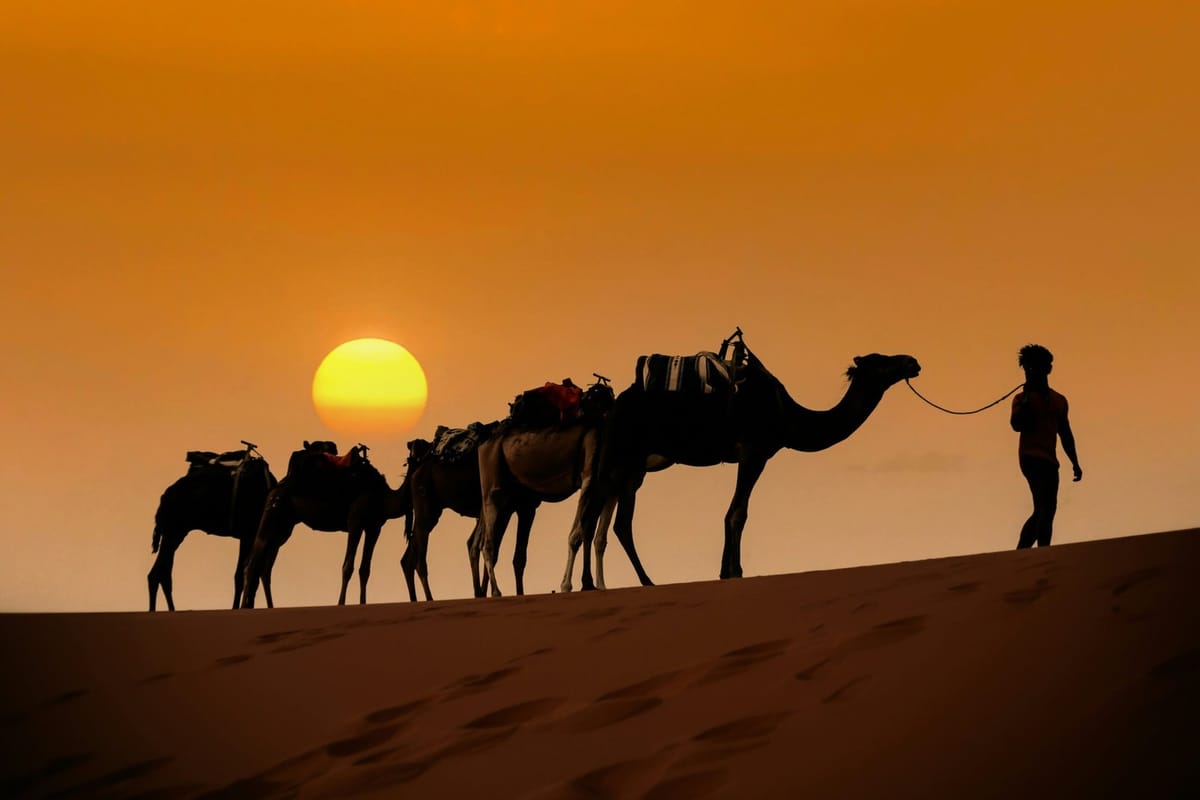
Camel trekking is one of the most popular activities in Merzouga. Visitors usually meet their guide near the edge of the dunes and travel into the desert in a small caravan.
The ride offers elevated views of the landscape and gives travelers time to observe the changing shapes and colors of the sand.
Camel rides may take place during the morning, afternoon or shortly before sunset. Sunset departures are especially popular because the temperature is often more comfortable and the light is ideal for photography.
Wear comfortable trousers and closed shoes. A scarf can protect your face from wind and sand.
Spend a Night in a Merzouga Desert Camp
Sleeping in a desert camp is one of the most memorable experiences in Merzouga. Camps are located among or near the Erg Chebbi dunes and can usually be reached by camel or four-wheel-drive vehicle.
After arriving, guests may be welcomed with Moroccan mint tea before watching the sunset, eating dinner and enjoying music around a campfire.
At night, the desert can become extremely quiet. When the sky is clear, visitors may see a large number of stars away from the light of major cities.
Standard Desert Camps
Standard camps generally provide simple private tents, shared bathroom facilities, dinner and breakfast.
These camps are suitable for travelers who prefer a basic and traditional experience.
Luxury Desert Camps
Luxury camps may include larger tents, private bathrooms, comfortable beds, electricity, heating or air conditioning, depending on the property and season.
They offer more comfort while preserving the atmosphere of an overnight stay near the dunes.
Before booking, confirm exactly which services are included, especially transportation, meals, bathrooms and activities.
Watch the Sunset Over Erg Chebbi
Sunset is one of the most beautiful moments in Merzouga. As the sun moves lower, the dunes become warmer in color and their shadows become longer.
Many visitors climb a nearby dune or stop during a camel ride to watch the sun disappear behind the desert horizon.
Arrive early enough to choose a good position and avoid rushing. Walking on soft sand takes more time and effort than walking on a normal path.
After sunset, temperatures can fall quickly, so carry an extra layer of clothing.
Wake Up for the Sahara Sunrise
Sunrise provides a quieter and softer experience than sunset. The dunes gradually become visible as the first light appears.
The air is usually cooler, and the sand may show footprints and patterns created during the night.
Ask your camp staff about the local sunrise time and wake up early enough to walk to a viewpoint.
Try Sandboarding
Sandboarding involves sliding down a dune on a board. Many camps and local activity providers can arrange the equipment.
The activity is suitable for beginners because the sand is softer than snow, although climbing back up the dune can be tiring.
Choose a safe slope, follow the instructions of your guide and avoid areas with vehicles, camels or large groups of people.
Explore the Desert by Four-Wheel-Drive Vehicle
A four-wheel-drive excursion allows visitors to explore areas beyond the main dunes.
Depending on the itinerary, the trip may include rocky desert landscapes, seasonal lakes, fossil areas, small villages and viewpoints around Erg Chebbi.
Some tours also introduce visitors to local communities and traditional music.
Choose a responsible operator who respects local residents, animals and the environment.
Discover Khamlia Village and Gnawa Music
Khamlia is a village near Merzouga known for its musical traditions, particularly Gnawa music.
Visitors may attend a musical performance, learn about local history and share tea with musicians.
Gnawa music uses rhythm, repetition, singing and traditional instruments to create a powerful and distinctive sound.
When visiting, choose experiences that support local musicians and treat the performance as a cultural exchange rather than only as entertainment.
Visit the Seasonal Lake Near Merzouga
After periods of rainfall, a seasonal lake may form near Merzouga. Its presence depends on weather conditions and water levels.
When water is present, the lake creates a striking contrast with the surrounding desert and may attract migratory birds.
Because the lake is seasonal, visitors should not expect to see water throughout the year.
Experience Traditional Desert Food
Meals in Merzouga often include Moroccan salads, soup, tagine, couscous, bread, fruit and mint tea.
At desert camps, dinner may be served inside a dining tent or outdoors when weather conditions are suitable.
Some camps also prepare dishes using local ingredients and traditional cooking methods.
Tell your accommodation in advance about allergies, vegetarian requirements or other dietary restrictions.
Best Time to Visit Merzouga
The most comfortable periods are generally spring and autumn, when daytime temperatures are more moderate.
Summer can be extremely hot, especially during the middle of the day. Outdoor activities may need to be scheduled early in the morning or late in the afternoon.
Winter days can be pleasant, but nights may become very cold. Travelers should bring warm clothing, particularly when staying in a desert camp.
Weather conditions can change, so check the forecast before starting your journey.
How Long Should You Stay in Merzouga?
One night is enough for a short camel ride, sunset, dinner, a camp experience and sunrise.
Two nights provide more time to explore nearby villages, take a four-wheel-drive excursion, try sandboarding and enjoy the desert without rushing.
Travelers interested in photography, culture or quiet time may prefer a longer stay.
Traveling From Marrakech to Merzouga
The journey from Marrakech to Merzouga is long and is usually divided over several days.
Common itineraries may pass through the Atlas Mountains, Ait Ben Haddou, Ouarzazate, the Dades Valley and the Todra Gorge before reaching the desert.
This route allows travelers to discover several different Moroccan landscapes rather than spending the entire journey inside a vehicle.
A multi-day tour is generally more comfortable than attempting to travel to Merzouga and return immediately.
Traveling From Fes to Merzouga
Merzouga can also be reached from Fes. The route passes through changing landscapes that may include mountain areas, forests, plains and desert towns.
Many travelers choose an itinerary beginning in Fes and ending in Marrakech, or the reverse, with Merzouga included between the two cities.
This approach avoids returning along the same route and allows visitors to experience more of Morocco.
What to Pack for Merzouga
- Comfortable closed shoes.
- Lightweight clothing for warm daytime temperatures.
- Warm layers for cool desert evenings.
- A hat or head covering.
- Sunglasses.
- Sun protection.
- A reusable water bottle.
- A scarf for wind and sand.
- A small backpack.
- A portable charger.
- Personal medication.
- A camera or phone with enough storage.
Avoid carrying unnecessary luggage into the dunes. Leave larger bags at your hotel or with your transport provider and take only the items needed for the overnight stay.
What to Wear in the Desert
Loose and breathable clothing is suitable during warm weather. Long sleeves and lightweight trousers can also protect the skin from strong sun.
Closed shoes are more practical than sandals for walking on hot sand, climbing dunes and riding camels.
Temperatures may fall after sunset, so carry a jacket or warm sweater even when the day feels hot.
Responsible Desert Travel
The desert is a fragile environment. Visitors should avoid leaving plastic, food packaging or other waste in the dunes.
- Use reusable water bottles when possible.
- Do not leave rubbish in the desert.
- Respect local communities and private spaces.
- Ask permission before photographing people.
- Choose camps with responsible waste and water practices.
- Avoid disturbing wildlife.
- Treat camels and other animals responsibly.
Supporting local guides, musicians, accommodations and restaurants helps ensure that tourism benefits the communities around Merzouga.
Is Merzouga Suitable for Families?
Merzouga can be suitable for families, but the itinerary should be adapted to the age and comfort of the children.
Long vehicle journeys, high temperatures and camel rides may be difficult for very young children.
Families should choose comfortable accommodation, carry enough water and avoid outdoor activities during the hottest part of the day.
Frequently Asked Questions
Is Merzouga part of the Sahara Desert?
Yes. Merzouga is located beside the Erg Chebbi dunes in Morocco’s Sahara region.
Can you visit Merzouga without sleeping in a camp?
Yes. Visitors can stay in a hotel or guesthouse near the dunes and take daytime activities without sleeping in a desert camp.
Are desert camps comfortable?
Comfort depends on the type of camp. Standard camps are simpler, while luxury camps may include private bathrooms, larger beds and additional services.
Is Merzouga too hot in summer?
Summer temperatures can become extremely high. Activities should be planned carefully, and travelers sensitive to heat may prefer another season.
Do I need a camel ride to reach a desert camp?
Not always. Many camps can also arrange transportation by four-wheel-drive vehicle.
How many nights should I spend in Merzouga?
One night provides a basic desert experience, while two nights offer more time for activities and cultural visits.
Final Thoughts
Merzouga offers one of Morocco’s most memorable desert experiences. The golden Erg Chebbi dunes, peaceful landscapes, camel rides and overnight camps create a journey that feels very different from the country’s busy cities.
To enjoy the experience fully, allow enough travel time, choose a camp that matches your comfort level and prepare for changing temperatures.
Whether you spend one night or several days in the area, watching the sun rise over the dunes can become one of the unforgettable moments of your journey through Morocco.
Related topics