Moroccan Wedding: Traditions, Bride, Groom & Berber Weddings
A Moroccan Wedding is a colorful celebration of family, culture, food, music, traditional clothing, henna, and important Moroccan wedding traditions
Moroccan Wedding: Traditions, Culture, Bride, Groom, and Berber Weddings
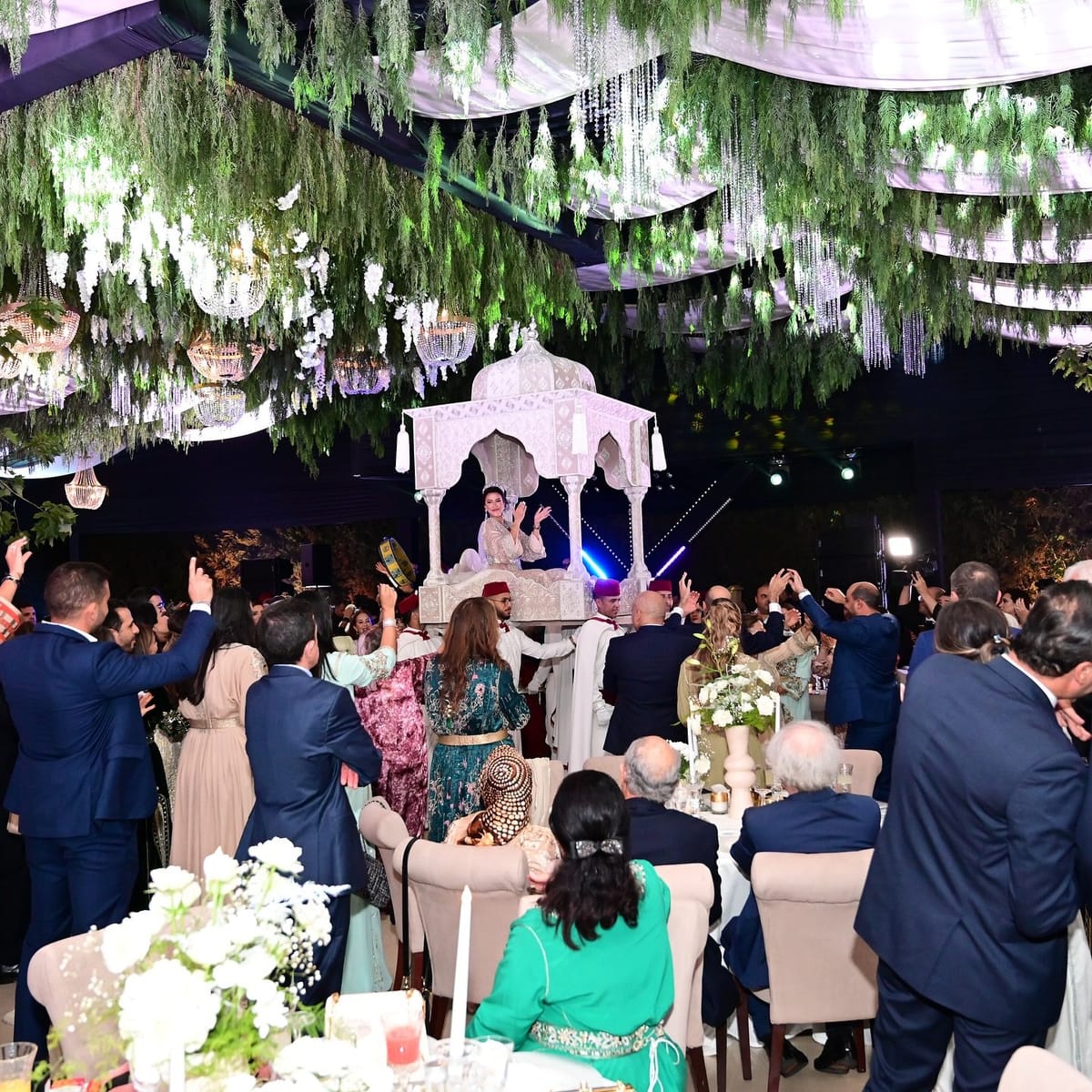
A Moroccan wedding is a beautiful celebration filled with family, music, traditional clothing, delicious food, and cultural traditions. Moroccan weddings can vary from one region and family to another, but many celebrations bring together several important traditions that have been passed down through generations.
From the Moroccan bride and Moroccan groom to the henna ceremony, traditional clothes, music, and large family gatherings, a Moroccan wedding is an important part of Moroccan culture.
What Is a Moroccan Wedding?
A Moroccan wedding is more than a single ceremony. Traditionally, it can include several celebrations before and during the wedding day. Families and friends come together to celebrate the marriage, share food, enjoy music, and take part in different cultural customs.
A Moroccan wedding can be different depending on where the couple comes from. Weddings in Marrakech, Fes, Casablanca, the Rif, the Atlas Mountains, and southern Morocco may have different clothing, music, food, and customs.
This variety makes every Moroccan wedding unique.
Moroccan Marriage and Family Traditions
Moroccan Marriage traditionally involves not only the couple but also their families. Family relationships are important in Moroccan culture, and weddings are often occasions where relatives from different places come together.
The marriage process can include family discussions, preparations, celebrations, and religious or legal elements. Today, Moroccan couples may combine traditional customs with modern wedding celebrations.
The traditions followed during a Moroccan wedding can therefore depend on the family’s background, region, and personal preferences.
Moroccan Wedding Traditions
There are many Moroccan Wedding Traditions associated with celebrations across the country. Some are practiced widely, while others are specific to particular regions or families.
Common elements of a Moroccan wedding can include:
- A henna ceremony
- Traditional Moroccan clothing
- Family celebrations
- Moroccan music and dancing
- Traditional food and sweets
- Tea and hospitality
- The presentation of the Moroccan Bride
- The celebration of the Moroccan Groom
- Several changes of traditional clothing
Not every family follows all of these traditions, so a Moroccan wedding can look very different from one family to another.
The Moroccan Bride
The Moroccan Bride often plays a central role in the wedding celebrations. One of the most beautiful parts of a Moroccan wedding is seeing the bride wearing traditional Moroccan clothing.
A Moroccan Bride may wear a caftan, takchita, or other traditional outfits. Depending on the family and region, she may change outfits several times during the celebration.
Traditional jewelry, accessories, makeup, and henna can also form part of the bridal preparations.
The clothing of the Moroccan Bride is not only about fashion. It can also represent Morocco’s rich craftsmanship and regional cultural traditions.
The Moroccan Groom
The Moroccan Groom also has an important role in the celebration. Traditional clothing for the Moroccan Groom can include a djellaba, jabador, or other Moroccan garments.
During a traditional Moroccan wedding, the Moroccan Groom may also wear different outfits during different parts of the celebration.
Like the bride’s clothing, the clothing worn by the Moroccan Groom can reflect Moroccan culture and the family’s regional traditions.
The Moroccan Henna Ceremony
Henna is an important part of many Moroccan Wedding Traditions. Before the main wedding celebration, the bride may have a special henna ceremony with female members of her family and friends.
During the henna celebration, beautiful designs are applied to the bride’s hands and sometimes her feet. The ceremony can include music, traditional clothing, food, sweets, and family gatherings.
The henna ceremony is an important cultural moment in many Moroccan weddings.
Berber Wedding Traditions
A Berber wedding, also known as an Amazigh wedding, can have traditions that are different from weddings in Morocco’s major cities.
Amazigh communities across Morocco have their own regional customs, clothing, music, dances, and celebrations. For example, weddings in the Atlas Mountains and southern Morocco can have distinctive traditions connected to local communities.
A Berber wedding may include traditional Amazigh clothing, local music, dancing, poetry, and large community celebrations.
It is important to remember that there is no single Berber wedding style. Amazigh communities are diverse, and traditions can vary between regions.
Moroccan Wedding Clothing
Traditional clothing is one of the most recognizable parts of a Moroccan wedding.
The Moroccan Bride may wear colorful caftans and takchitas decorated with embroidery, patterns, and traditional details. Jewelry and accessories can complete each outfit.
The Moroccan Groom may wear a djellaba, jabador, or other traditional Moroccan clothing.
In some celebrations, the bride changes outfits several times. Each outfit can create a different style and may reflect different Moroccan cultural influences.
Moroccan Wedding Food
Food is another important part of a Moroccan wedding.
Depending on the celebration, guests may enjoy dishes such as:
- Moroccan salads
- Briouats
- Pastilla
- Tagine
- Couscous
- Moroccan pastries
- Fresh fruit
- Mint tea
Large family meals are an important part of Moroccan hospitality. At a Moroccan wedding, food is often shared with a large number of relatives and guests.
Moroccan Wedding Music and Dancing
Music brings energy to a Moroccan wedding. Different regions of Morocco have different musical traditions.
Guests may hear traditional instruments, singing, drums, and regional music. Dancing can also be an important part of the celebration.
Amazigh weddings may feature traditional Amazigh music and dances, while other Moroccan weddings may include Gnawa, Andalusian, chaabi, or modern Moroccan music.
This mixture of traditions makes each Moroccan wedding special.
How Long Does a Moroccan Wedding Last?
The length of a Moroccan wedding depends on the family, region, and type of celebration.
Traditional celebrations can take place over several days, while modern Moroccan weddings may be organized around one main wedding day with additional events before it.
The henna ceremony may take place separately before the main celebration.
Therefore, there is no single answer for how long a Moroccan wedding lasts.
Moroccan Weddings Today
Modern Moroccan weddings often combine traditional customs with contemporary celebrations.
Some couples choose to keep traditional clothing, henna, Moroccan food, and family customs while also adding modern wedding halls, photography, decorations, DJs, and contemporary music.
This combination allows a Moroccan wedding to preserve important traditions while reflecting the personalities of the couple.
Experience Moroccan Culture
A Moroccan wedding gives visitors an interesting look at Morocco’s family traditions, clothing, music, food, hospitality, and regional diversity.
From the cities to the Atlas Mountains and the desert regions, Moroccan culture has many different traditions. A Berber wedding, for example, can offer a different cultural experience from a wedding in Marrakech or Casablanca.
If you are traveling through Morocco, learning about Moroccan Wedding Traditions can help you better understand the country’s culture and the importance of family celebrations.
Final Thoughts
A Moroccan wedding is a celebration of marriage, family, friendship, culture, and tradition. From the elegant Moroccan Bride and Moroccan Groom to henna, traditional clothing, food, music, and dancing, every part of the celebration can tell a story.
Whether you are interested in Moroccan Marriage, Moroccan Wedding Traditions, or a traditional Berber wedding, Morocco offers a rich variety of customs and celebrations.
Most importantly, there is no single way to have a Moroccan wedding. Traditions change from region to region and from family to family, making each celebration unique.
FAQ
What is a Moroccan wedding?
A Moroccan wedding is a celebration of marriage that can include traditional clothing, henna, food, music, dancing, and family gatherings. What does a Moroccan Bride wear?
A Moroccan Bride may wear a caftan, takchita, and other traditional Moroccan outfits. Some brides change outfits several times during the wedding. What does a Moroccan Groom wear?
A Moroccan Groom may wear traditional clothing such as a djellaba or jabador, although modern clothing is also common. <h3>What are Moroccan Wedding Traditions?
Moroccan Wedding Traditions can include a henna ceremony, traditional clothing, family gatherings, Moroccan food, music, dancing, and several wedding celebrations. What is a Berber wedding?
A Berber wedding is an Amazigh wedding that can include regional Amazigh clothing, music, dancing, and community traditions. Customs vary between Amazigh communities. Is Moroccan Marriage different in every region?
Yes. Moroccan Marriage traditions can vary significantly depending on the family’s region, cultural background, and personal preferences
Related topics