Morocco in March: Weather, Places to Visit & Tips
Discover Morocco in March, including Marrakech, the Sahara Desert, spring weather, what to pack, and helpful travel tips for your holiday
Morocco in March: Weather, Things to Do and Travel Tips
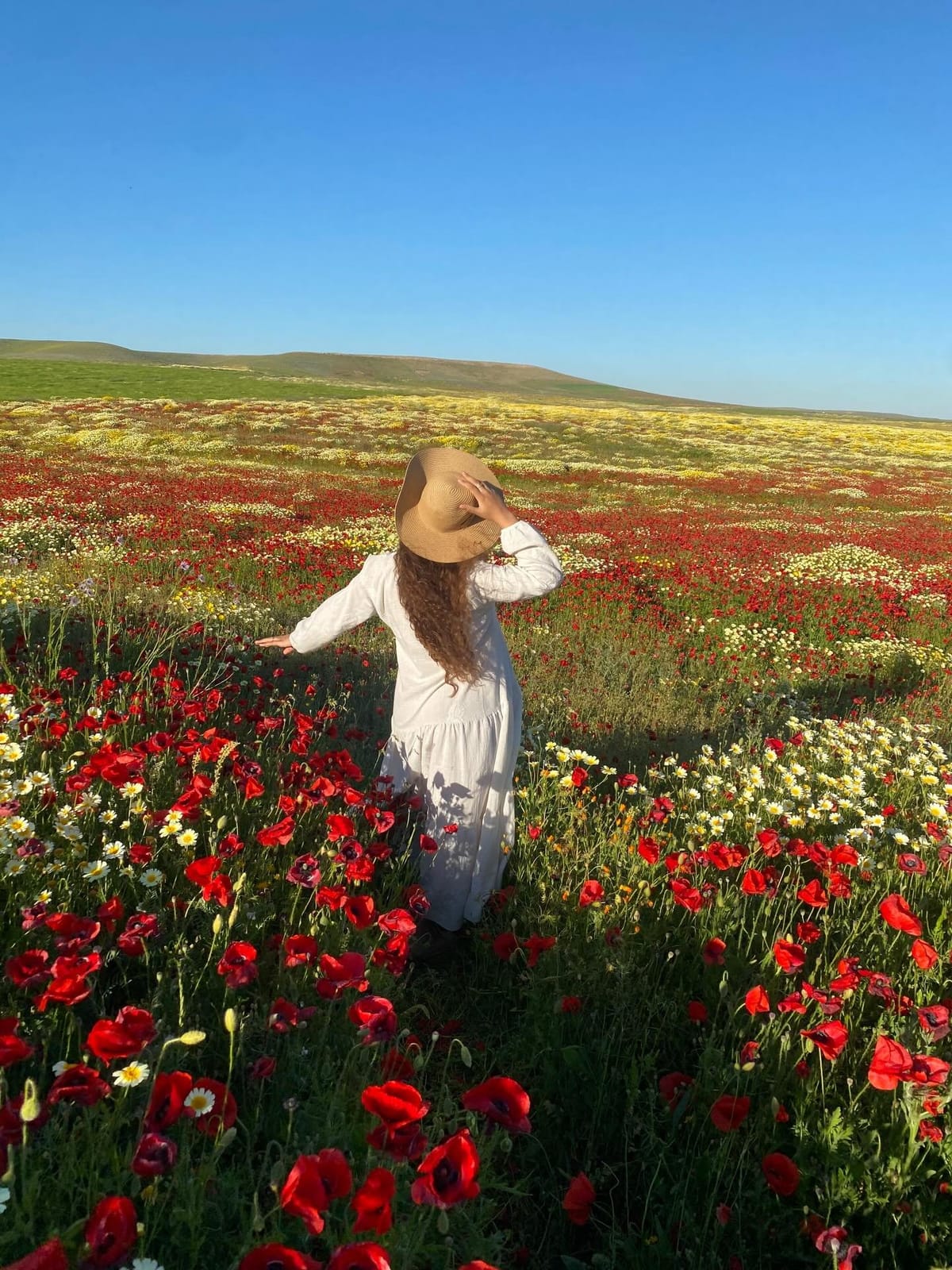
Planning a holiday to Morocco in March? Spring is beginning, making it a great opportunity to explore historic cities, beautiful coastlines, mountain villages, and the golden dunes of the Sahara Desert. Whether you want to discover Marrakech, visit traditional markets, or spend a night in a desert camp, Morocco offers plenty of experiences for spring travelers.
Morocco in March can be a good choice for visitors who want to enjoy sightseeing without the intense summer heat. However, the weather varies between regions. Marrakech can have warm afternoons, the Atlantic coast can be windy, the Atlas Mountains can remain cold, and desert nights can be chilly.
In this guide, you will learn about the weather, the best places to visit, what to wear, and how to plan your trip with Trips to Marrakech.
Why Visit Morocco in March?
March is a popular month for exploring Morocco because it offers a mix of spring scenery, cultural experiences, and outdoor adventures.
Here are some reasons to consider Visiting Morocco in March:
- Explore Marrakech’s historic medina and traditional souks.
- Discover the Sahara Desert and enjoy a camel ride among the dunes.
- Visit the Atlas Mountains and traditional Berber villages.
- Walk through the blue streets of Chefchaouen.
- Discover historic cities such as Fes and Rabat.
- Enjoy the coastal atmosphere of Essaouira and Agadir.
- Taste Moroccan tagine, couscous, fresh bread, and mint tea.
Spring weather can make sightseeing comfortable, but rain and cooler temperatures are still possible. Planning your route around the local forecast will help you enjoy your holiday.
Is Morocco Warm in March?
Is Morocco Warm in March? In many places, daytime temperatures can be pleasant, but Morocco does not have the same weather everywhere.
Inland destinations such as Marrakech can enjoy warm afternoons, while mornings and evenings are cooler. Coastal cities can be breezy, and mountain destinations may still experience cold conditions or snow at higher elevations.
The Sahara Desert can be warm during the day, but temperatures often drop significantly after sunset.
For this reason, the best approach is to pack lightweight clothes for daytime activities and warmer layers for evenings. Check the weather forecast for each destination on your itinerary before departure.
Marrakech in March: What to Expect
Marrakech in March is an appealing option for travelers who want to explore Moroccan culture, architecture, food, and traditional markets.
The weather is often suitable for walking through the medina and visiting outdoor attractions. You can spend the morning exploring historic sites, enjoy Moroccan food for lunch, and relax in a garden or rooftop café in the afternoon.
Best Things to Do in Marrakech in March
Explore Jemaa el-Fnaa: Visit the famous square, enjoy the atmosphere, and discover food stalls and nearby streets.
Walk through the souks: Browse traditional crafts, leather goods, textiles, lamps, and Moroccan souvenirs.
Visit Bahia Palace: Discover decorative Moroccan architecture, courtyards, and traditional craftsmanship.
Relax in Majorelle Garden: Enjoy the garden’s plants, pathways, and distinctive blue architecture. Check ticket availability and visiting hours before going.
Try Moroccan food: Sample tagine, couscous, Moroccan pastries, and mint tea.
Take a day trip: Explore the Atlas Mountains or nearby landscapes beyond the city.
If you are planning to explore more of the country, Marrakech is also a convenient starting point for private journeys to southern Morocco and the Sahara Desert.
Discover our Tours from Marrakech to explore available travel options.
What to Pack for Morocco in March
Knowing What to Pack for Morocco in March can help you stay comfortable as the weather changes between destinations.
You may experience warm afternoons, cooler mornings, occasional rain, and cold nights in the desert or mountains. Packing layers is therefore more useful than bringing only summer clothing.
Here is a practical packing list:
- Lightweight shirts and trousers: Useful for warm afternoons and sightseeing.
- A warm jacket or fleece: Important for cool mornings, evenings, and desert camps.
- Comfortable walking shoes: Ideal for medinas, historic sites, and uneven streets.
- Modest clothing: Helpful when visiting religious sites and traditional communities.
- Sunglasses and sunscreen: Useful during sunny outdoor activities.
- A light rain jacket: Helpful if you experience showers.
- A scarf: Useful for windy conditions and dusty desert environments.
- Warm sleepwear: Recommended for overnight stays in the Sahara.
- A small backpack: Convenient for carrying water, snacks, and daily essentials.
If your itinerary includes the Atlas Mountains, bring extra warm layers and check local conditions. For a desert tour, ask your camp about blankets, heating, and facilities before booking.
Best Places to Visit in Morocco in March
1. Marrakech
Marrakech offers historic monuments, lively souks, gardens, traditional riads, and Moroccan cuisine. It is a useful starting point for exploring the rest of the country.
2. Merzouga and the Sahara Desert
Visit the Erg Chebbi dunes near Merzouga for a camel ride, sunset views, sandboarding where available, and an overnight desert camp. Desert nights can be cold in March, so pack warm clothing.
3. Fes
Fes is famous for its historic medina, traditional crafts, and rich cultural heritage. Wear comfortable shoes and allow enough time to explore its narrow streets.
4. Chefchaouen
Known for its blue-painted streets and mountain setting, Chefchaouen is a wonderful destination for walking, photography, and discovering local shops. March can be cool or rainy, so bring a jacket.
5. Essaouira
Essaouira offers a historic medina, a fishing port, Atlantic Ocean views, and fresh seafood. Coastal winds can be strong, making a light jacket useful.
6. Atlas Mountains
The Atlas Mountains are ideal for scenic drives, village visits, and suitable hikes. Higher elevations can remain cold, and snow or changing road conditions may affect some routes.
7. Ait Ben Haddou and Ouarzazate
These southern destinations are known for historic earthen architecture and desert landscapes. They are often included in multi-day tours between Marrakech and Merzouga.
Best Things to Do in Morocco in March
There is more to Morocco than city sightseeing. Spring is an opportunity to combine cultural experiences with outdoor adventures.
- Enjoy a Sahara Desert tour: Discover the dunes and experience an overnight stay in a desert camp.
- Ride a camel at sunset: Enjoy views across the dunes near Merzouga.
- Explore traditional markets: Shop for handicrafts, spices, leather goods, and souvenirs.
- Discover Moroccan kasbahs: Visit historic sites such as Ait Ben Haddou.
- Explore mountain villages: Learn about local traditions and enjoy scenic landscapes.
- Try a Moroccan cooking experience: Discover the ingredients and techniques behind traditional dishes.
- Relax on the Atlantic coast: Walk along the beaches and explore coastal towns.
Choose activities that fit your travel dates, interests, and comfort level, and allow extra time for long journeys between destinations.
Is March a Good Time for a Sahara Desert Tour?
March can be a suitable month for a Sahara Desert tour because daytime conditions are often more comfortable than during the hottest summer months.
A journey to Merzouga can include scenic stops, traditional villages, mountain landscapes, and the dunes of Erg Chebbi. Depending on your chosen itinerary, you may enjoy a camel ride at sunset, dinner at camp, traditional music, and sunrise over the sand dunes.
However, March nights can be cold. Bring a warm jacket and check the camp facilities before booking.
The Sahara is a long drive from Marrakech, so allow several days for a relaxed journey rather than trying to visit it in one day.
How Many Days Do You Need in Morocco in March?
The length of your trip depends on how many regions you want to discover.
- 3–4 days: Focus on Marrakech and nearby attractions.
- 5–7 days: Combine Marrakech with southern Morocco or a suitable desert itinerary.
- 8–10 days: Explore Marrakech, the Atlas Mountains, Ait Ben Haddou, the Dades Valley, Merzouga, and Fes.
- 12–14 days: Enjoy a broader route through imperial cities, the Sahara, mountain landscapes, and coastal destinations.
These are general planning suggestions. Travel times depend on your route, road conditions, and the number of stops you choose.
Travel Tips for Visiting Morocco in March
Before Visiting Morocco in March, keep these practical tips in mind:
- Check the weather forecast for every destination on your route.
- Book accommodation and desert camps in advance if your dates are fixed.
- Pack layers for warm days and cold evenings.
- Leave enough time for long-distance journeys.
- Confirm guided tour times and opening hours for attractions.
- Carry some Moroccan dirhams for small purchases.
- Respect local customs and dress appropriately at religious sites.
- Ask your tour operator what is included in the price, including transport, meals, accommodation, and activities.
Planning ahead will help you enjoy a smoother trip and make the most of your time in Morocco.
Plan Your Morocco Trip with Trips to Marrakech
At Trips to Marrakech, we help travelers discover Morocco through private tours and tailor-made journeys. Whether you want to explore Marrakech, visit traditional kasbahs, discover the Atlas Mountains, or spend a night beneath the stars in the Sahara Desert, we can help you plan an itinerary that suits your travel dates and interests.
March can be a wonderful opportunity to experience Morocco’s cities, landscapes, and cultural traditions. Tell us how many days you have, where you want to start, and which destinations interest you.
Contact Trips to Marrakech:
- Website: https://tripstomarrakech.com/
- Phone / WhatsApp: +212 643 577 845
- Email: info@tripstomarrakech.com
Contact us to discuss your plans and start organizing your Moroccan spring adventure.
Frequently Asked Questions About Morocco in March
1. Is March a good time to visit Morocco?
March can be a good time to visit Morocco for city sightseeing, desert tours, and coastal trips. Weather varies by region, so pack layers and check the forecast.
2. Is Morocco warm in March?
Many destinations have pleasant daytime conditions, but mornings and evenings can be cool. Mountain areas can remain cold, and desert nights may require warm clothing.
3. What should I pack for Morocco in March?
Pack lightweight clothing, comfortable walking shoes, a warm jacket, sunscreen, sunglasses, a light rain jacket, and warmer layers if visiting the desert or mountains.
4. Is Marrakech worth visiting in March?
Yes. Marrakech offers historic sites, gardens, souks, traditional food, and opportunities for day trips. March can be comfortable for exploring outdoors, although weather conditions vary.
5. Can I visit the Sahara Desert in March?
Yes. Many travelers visit the Sahara in March for camel rides, desert landscapes, and overnight camps. Nights can be cold, so check the camp facilities and bring warm clothes.
6. Does it rain in Morocco in March?
Rain is possible, especially in northern, coastal, and mountain regions. Conditions vary each year, so check the local forecast before traveling.
7. How many days should I spend in Morocco in March?
A few days can be enough to explore Marrakech, while 7–10 days or more allow you to combine several cities, the Atlas Mountains, and the Sahara Desert.
Related topics